
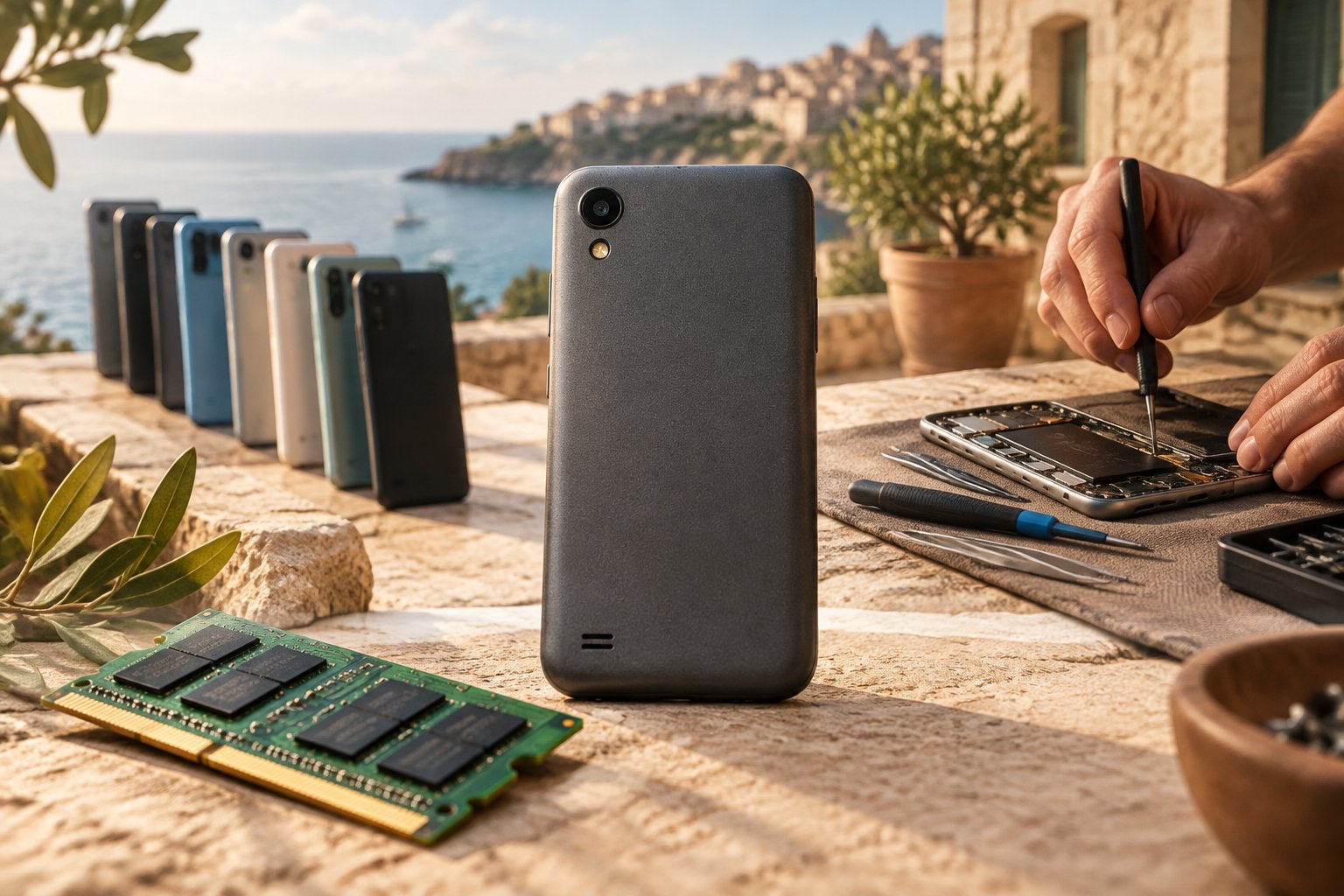
Nel 2030 i requisiti di RAM potrebbero mandare in pensione 230 milioni di smartphone, soprattutto economici: effetti su consumatori, mercato, costi e ambiente.
Rimani aggiornato con WebMasterPoint
Nel 2030 i requisiti di RAM potrebbero rendere obsoleti 230 milioni di smartphone, soprattutto tra i modelli economici. Un ricambio imposto dalla tecnologia che peserà su consumatori e mercato, con conseguenze ambientali ed economiche.
Counterpoint Research forecasts that 230 million smartphones priced below $200 will vanish from worldwide retail channels by 2030, marking a dramatic shift in the budget device market. The study, which tracks shipments by price band, predicts a roughly 40% contraction in this segment through the end of the decade, even as overall smartphone volumes begin to recover. The primary driver is not consumer preference but a technical constraint: modern chipsets and AI-powered software now demand more RAM than affordable phones can provide, forcing manufacturers to abandon low-margin models.
Why RAM requirements are eliminating budget phones
Memory has become the decisive factor in device economics. AI applications, high-resolution photography, and advanced operating systems require DRAM capacities that exceed the 4-6 GB typical of sub-$200 phones. Samsung, SK Hynix, and Micron have redirected production toward AI data centers, where profit margins are significantly higher, leaving consumer electronics with limited supplies. As a result, memory prices have surged by 80-90% year-over-year, making affordable phones economically unsustainable to produce. Manufacturers report that memory now accounts for up to 40% of the bill of materials in entry-level devices, leaving no room for cost reductions.
What this means for consumers and the market
Faced with disappearing options, buyers are adapting in three ways:
- First, many extend the life of existing devices rather than upgrade.
- Second, the repair and secondhand market is expanding rapidly, with certified refurbished phones filling the gap left by new budget models.
- Third, some consumers are moving up to mid-range tiers, though higher price points remain out of reach for first-time users in emerging markets.
Manufacturers are responding by concentrating resources on premium foldables and flagship series, where higher margins can absorb memory cost increases. The shift reshapes market dynamics: premium segments are growing while the entry tier shrinks, potentially widening the digital divide for low-income users.
Environmental and economic implications
La riduzione dei modelli sotto i 200 dollari pu prolungare luso dei dispositivi esistenti e sostenere il mercato dellusato, ma aumenta anche il rischio di rifiuti elettronici quando i telefoni non sono riparabili o non ricevono pi aggiornamenti. Riparazioni e modelli ricondizionati possono offrire alternative allacquisto di un dispositivo nuovo.
Intanto, laumento dell8-10% dei costi di produzione si riflette sui prezzi: il prezzo medio di vendita degli smartphone previsto a 465 dollari nel 2026. Per chi non pu sostenere questa spesa, la disponibilit di telefoni riparabili e di opzioni ricondizionate sar determinante per mantenere laccesso a un dispositivo personale.