
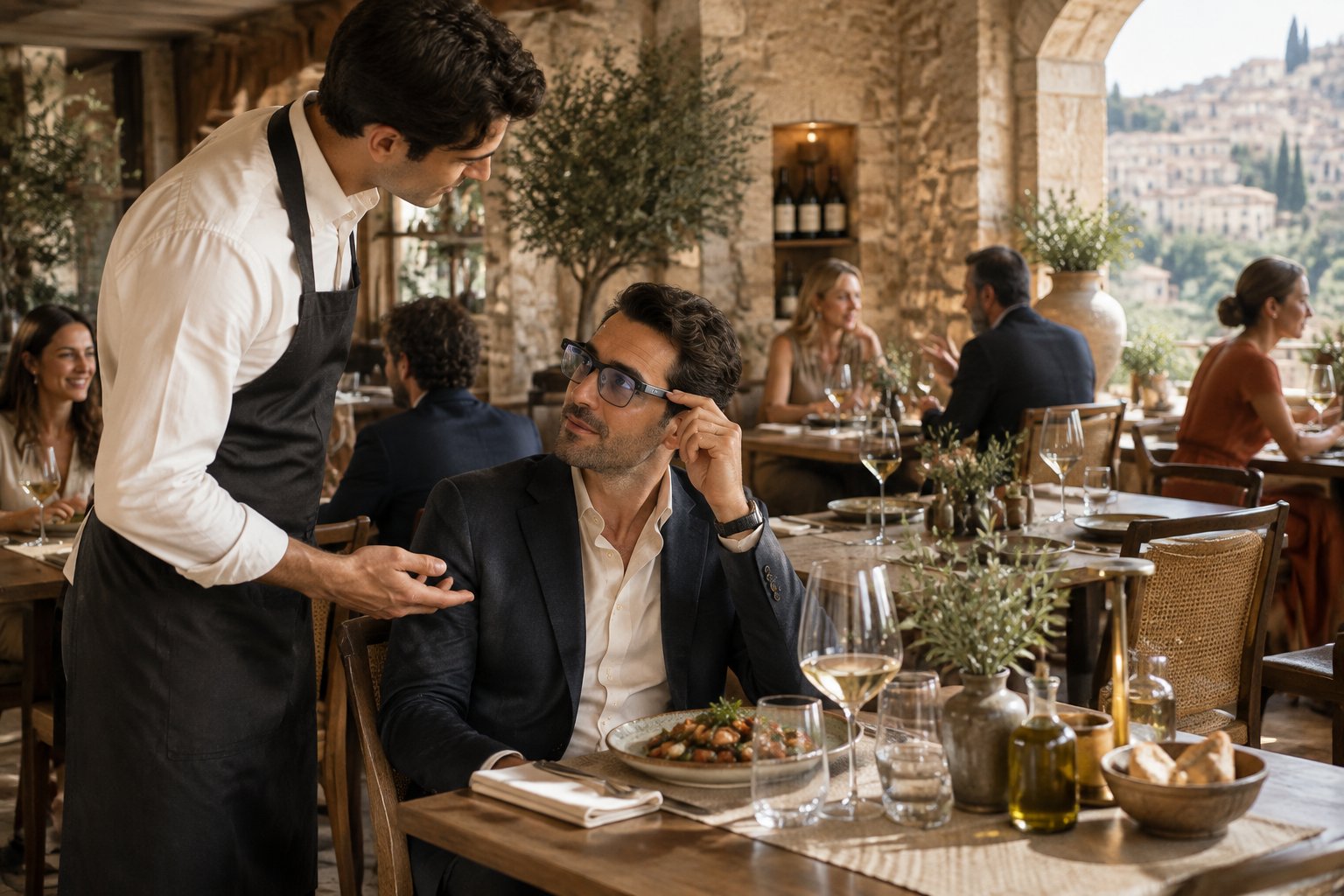
Dai telefoni agli smart glasses: perch i ristoranti italiani li vietano, tra privacy, GDPR, consenso e nuove regole per clienti e personale.
Rimani aggiornato con WebMasterPoint
Dai telefoni ben visibili agli smart glasses quasi invisibili, cambia il modo di registrare immagini nei ristoranti. In Italia alcuni locali introducono divieti: tra GDPR, consenso e regole interne, nuove abitudini attendono clienti e personale.
JD Wetherspoon banned smart glasses in over 800 UK pubs starting in August, citing privacy concerns, while Veronas Al Condominio offered a free bottle of wine in 2024 for diners who left phones at the door. The move follows WorldGamings decision to bar Meta Glasses from its events and JD Wetherspoons UK?wide ban, showing the trend spans venues from gaming expos to traditional pubs. These two examples illustrate how restaurants across Europe are moving from encouraging phone use to restricting discreet recording devices.
From visible phones to invisible glasses
Traditional phone bans were straightforward because a raised smartphone is obvious. Smart glasses, however, can record audio and video without the wearers gesture being visible. London restaurateur Jeremy King, who runs Simpsons in the Strand and Arlington, declared he will not admit guests wearing glasses used for recording. The lack of visual cue makes enforcement harder and raises the risk of unknowing subjects appearing in footage.
Italian venues begin to act
Gambero Rosso reported that the debate has reached Italy, with Al Condominio leading the way by promising a complimentary wine bottle for tables that stay phone?free for two hours. While no national chain has yet imposed a blanket ban, several establishments are evaluating similar policies. The shift mirrors a broader trend that includes theatres, courts and airports, where discreet recording is increasingly prohibited.
GDPR, consent and the power of house rules
Under the GDPR, any recording of individuals requires:
- explicit consent, a purpose limitation
- and data minimisation.
The Italian Garante per la protezione dei dati personali has repeatedly stressed that covert filming violates privacy rights. Restaurant owners can set house rules as part of their civil liberties, defining where and when recording is permitted, much like no?phone zones. These rules are enforceable as long as they respect the fundamental rights established by the GDPR. The authority can impose fines up to 20?million euros or 4% of global turnover for serious breaches, giving restaurants a strong incentive to enforce clear policies.
What changes for diners and staff
For diners, restrictions mean asking before recording other guests or staff. Clear signage at entrances and a consistent policy help set expectations; staff should know how to respond if recording is noticed.
Venues can make the rules more practical by distinguishing between recording people and filming food or menus. Where appropriate, designated areas and clear consent procedures can let guests create content while protecting others privacy.